
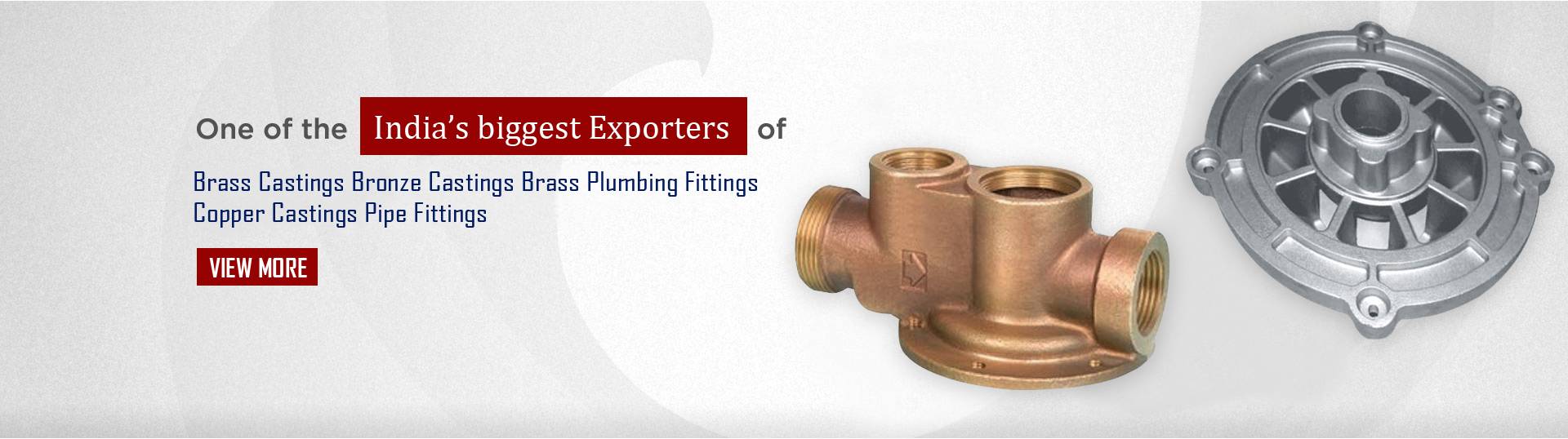


Stainless Steel Resin Sand Casting – Shell Molding | Precision SS Investment & Shell Mold Foundry India
Conex Casting India is a leading manufacturer and exporter of stainless steel resin sand castings and shell mold castings, serving electrical OEMs, EPC contractors, power utilities, and industrial distributors worldwide. Our SS shell molding process combines phenolic resin-bonded sand molds with precision metallurgical control to produce net-shape or near-net-shape stainless steel components with dimensional tolerances of ±0.3 mm, surface finish Ra 3.2–6.3 µm, and weight range of 50 grams to 50 kilograms. We manufacture to ASTM A351, A743, A744, DIN 17445, BS 3146, IS 6603, and EN 10283 international standards.
Pricing: Stainless Steel Grade 316 castings – US$ 11.50 per kilogram (FOB India; subject to grade, quantity, and complexity)
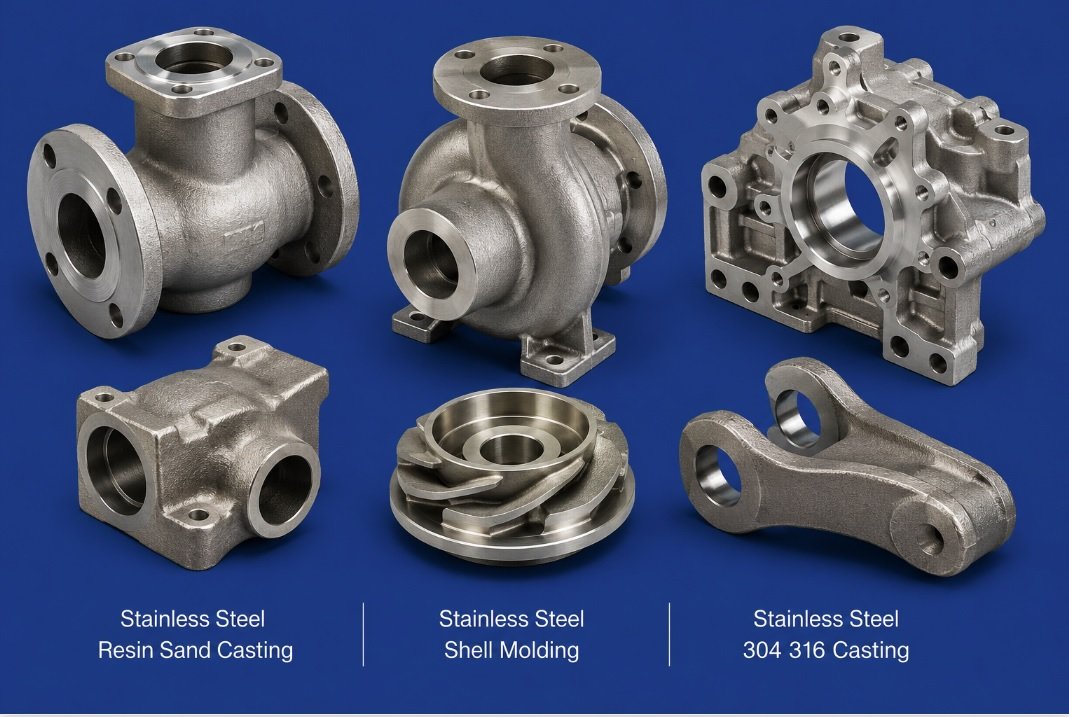
Product Overview: Stainless Steel Shell Molding Castings
Stainless steel resin sand casting using the shell molding process is an advanced expendable-mold technique where phenolic resin-coated silica or chromite sand is applied to a heated metal pattern to form a thin, rigid shell mold. This shell is then assembled, poured with molten stainless steel, and broken away after solidification, yielding a casting with superior surface quality and dimensional repeatability compared to conventional green sand casting.
1. Material Composition and Alloy Families
Conex Casting India processes all major families of stainless steel alloys including austenitic grades (SS 304, 304L, 316, 316L, 317L, 321, 347), ferritic grades (SS 409, 430, 446), martensitic grades (SS 410, 416, 420, 431, 440C), duplex and super-duplex grades (SS 2205, 2507, SAF 2304), and precipitation-hardening grades (17-4 PH / S17400, 15-5 PH). Each alloy family is selected based on service environment: corrosion resistance, elevated temperature strength, mechanical wear, or cryogenic toughness. Alloy composition is verified by optical emission spectrometry (OES) prior to pouring.
2. Shell Molding Process Advantages for Stainless Steel
The shell molding (Croning) process is particularly suited for stainless steel due to the high pouring temperature (1,450–1,600 °C) and the low thermal shock tolerance of stainless alloys. Resin-bonded shell molds provide a rigid, gas-permeable cavity that minimizes turbulent metal flow, shrinkage porosity, and hot tear defects common in SS castings. The process enables production of thin-walled sections (as low as 3 mm wall thickness), complex internal passages, and tight angular features without secondary machining, delivering near-net-shape components essential for pump housings, valve bodies, bracket assemblies, and electrical enclosures.
3. Dimensional Accuracy and Surface Quality
Shell mold castings in stainless steel achieve dimensional tolerances to CT5–CT7 (ISO 8062-3) and surface roughness of Ra 3.2 to 6.3 µm directly from mold, significantly better than sand casting (CT8–CT10, Ra 12.5–25 µm). This reduces post-cast machining allowance to 0.5–1.5 mm per surface, lowering total component cost for precision-critical parts such as instrumentation housings, manifolds, and electrical bus-bar clamps. Pattern tooling is manufactured in close-tolerance steel or cast iron for high-volume production stability.
4. Weight Range, Sizes, and Production Volumes
We supply stainless steel shell mold castings from 50 grams to 50 kilograms per piece, with overall dimensions up to 600 × 500 × 400 mm. Production flexibility spans prototype quantities (5–50 pieces) through high-volume mass production (5,000+ pieces per month) using multiple shell core machines and induction melting furnaces with capacities of 150 kg to 500 kg per heat. Our foundry maintains a production lead time of 4–6 weeks for new tooling and 2–3 weeks for repeat orders, with expedite options available for critical project schedules in power and infrastructure sectors.
5. Grades Processed and International Equivalents
Our metallurgical team sources certified raw materials (stainless scrap, master alloys, ferroalloys) from approved vendors and maintains full material traceability from melt to dispatch. All heats are logged with heat number, chemical composition certificate, and hardness test records. We supply castings in conformance with ASTM, EN, DIN, BS, JIS, IS, and GB international standards, enabling direct supply to projects specified under any global procurement standard used by electrical OEMs, EPC contractors, and power utilities across North America, Europe, the Middle East, Southeast Asia, and Australia.
6. Corrosion and High-Temperature Performance
Stainless steel shell mold castings from Conex Casting India are engineered for service in chemically aggressive and thermally demanding environments. Grade 316L castings provide resistance to chloride-induced pitting, crevice corrosion, and intergranular attack in marine, coastal, and chemical plant environments. Grade 310S and 321 castings withstand continuous service temperatures up to 1,100 °C, suitable for exhaust manifolds, furnace hardware, and boiler fittings. Duplex grade 2205 castings offer 2× the yield strength of 316L with superior resistance to stress-corrosion cracking in water treatment, desalination, and oil-and-gas service.
7. Post-Casting Operations and Machining
Following casting, all stainless steel shell mold parts undergo controlled cooling, riser and gate removal by plasma cutting or angle grinding, blast cleaning (shot or grit), heat treatment (solution annealing, stress relieving) as per specification, and dimensional inspection. CNC machining is available in-house for critical mating faces, threaded bores, and bearing seats. Secondary operations include passivation (per ASTM A967), electropolishing, pressure testing (hydrostatic up to 40 bar), and radiographic or ultrasonic inspection per ASME standards. Complete machined-and-tested subassemblies are supplied where required by OEM customers.
Key Features of Stainless Steel Shell Mold Castings
- Dimensional tolerance CT5–CT7 per ISO 8062-3
- Surface finish Ra 3.2–6.3 µm directly from mold
- Weight range: 50 g to 50 kg
- All stainless steel families: austenitic, ferritic, martensitic, duplex, PH grades
- ASTM / EN / DIN / BS / JIS / IS certified supply
- In-house CNC machining, heat treatment, NDT, and pressure testing
- Full material traceability with OES chemical analysis per heat
- 100% visual and dimensional inspection; RT/UT available
Corrosion Resistance
Stainless steel shell mold castings inherently resist oxidation, scaling, and electrochemical corrosion due to the passive chromium oxide layer (minimum 10.5% Cr by weight). Grade 316 and 316L castings resist attack from sulfuric acid, phosphoric acid, acetic acid, and chloride solutions encountered in chemical processing, water treatment, and marine applications. Molybdenum addition (2–3%) in 316-series alloys provides pitting resistance equivalent number (PREN) of 26–27, making them suitable for saline water service, offshore environments, and coastal electrical substation installations.
Mechanical Strength and Hardness
Stainless steel shell castings offer a tensile strength range of 480–760 MPa and yield strength of 170–550 MPa depending on grade and heat treatment condition. Martensitic grade 410 castings achieve Brinell hardness of 155–200 HB in the annealed condition and up to 450 HB after quench and temper, suitable for wear-resistant valve trim, pump sleeves, and bracket hardware. Duplex 2205 provides 460 MPa minimum yield strength, nearly double that of 316L, enabling lighter section design without compromising structural integrity in high-pressure valve and fitting applications.
High-Temperature Performance
For power generation and process industry applications, austenitic grades 310S, 321, and 347 maintain structural integrity and oxidation resistance up to 1,050–1,100 °C continuous service temperature. Titanium-stabilized 321 and niobium-stabilized 347 castings resist sensitization (carbide precipitation) during prolonged elevated temperature exposure, critical for boiler fittings, steam manifolds, heat exchanger headers, and turbine casing components. Thermal cycling capability to 600+ cycles without cracking is achievable with correctly specified alloy and wall geometry.
Pressure-Tightness and Integrity
Shell mold castings for valve bodies, pump casings, and hydraulic manifolds are supplied pressure-tested per customer specification. Hydrostatic pressure testing is conducted at 1.5× rated working pressure using calibrated test rigs. Internal porosity is controlled through optimized gating system design, riser sizing, and inoculation practice. Radiographic inspection (RT) per ASTM E94, ultrasonic testing (UT) per ASTM E428, and liquid penetrant testing (LPT) per ASTM E165 are available for safety-critical applications in power utilities and chemical plants.
Weldability and Repairability
Low-carbon (L-grade) stainless steel castings (304L, 316L, 317L) are specified where post-cast welding or in-service repair welding is required, as the reduced carbon content minimizes carbide precipitation in the heat-affected zone (HAZ). Conex Casting India supplies weld procedure qualifications (WPS/PQR per ASME Section IX) and welder qualification records on request. Castings are supplied with certified weld repair documentation where weld repairs are performed during production.
Food, Pharma, and Hygienic Grade Castings
Grade 316L and 304L shell mold castings are widely used in food processing, dairy, pharmaceutical, and biotechnology equipment where FDA compliance, CIP/SIP cleanability, and low iron contamination are mandatory. Surface finishing to Ra ≤ 0.8 µm (electropolished) is available for hygienic fittings, valve bodies, and pump components. Castings conform to FDA 21 CFR regulations and European EC 1935/2004 requirements for food contact materials when supplied in electropolished or passivated condition.
Technical Specifications
| Parameter | Specification |
|---|---|
| Casting Process | Resin Sand Shell Molding (Croning Process) |
| Weight Range | 50 g to 50 kg |
| Max Dimensions | 600 × 500 × 400 mm |
| Wall Thickness (min.) | 3 mm |
| Dimensional Tolerance | CT5–CT7 (ISO 8062-3) |
| Surface Finish | Ra 3.2–6.3 µm (as-cast); Ra ≤ 0.8 µm (electropolished) |
| Pouring Temperature | 1,450–1,600 °C (alloy-dependent) |
| Mold Type | Phenolic resin-coated silica / chromite sand shell |
| Pattern Material | Close-tolerance steel / cast iron |
| Heat Treatment | Solution anneal, stress relief, quench & temper (grade-specific) |
| NDT Methods | RT (ASTM E94), UT (ASTM E428), LPT (ASTM E165), MT |
| Pressure Test | Hydrostatic up to 40 bar |
| Lead Time (new tooling) | 4–6 weeks |
| Lead Time (repeat orders) | 2–3 weeks |
| MOQ | 5 pieces (prototype); 50 pieces (production) |
| Packaging | Wooden crate / palletized, VCI-packed for export |
| Certifications | ISO 9001:2015, ASTM, EN, DIN, JIS, IS |
| Indicative Price – SS 316 | US$ 11.50 / kg FOB India |
Stainless Steel Grades: Raw Material and International Equivalents
| Common Name | ASTM / UNS | EN / W.Nr. | DIN | BS | JIS | IS (India) | Price Indicator |
|---|---|---|---|---|---|---|---|
| SS 304 | A351 CF8 / S30400 | 1.4301 | X5CrNi18-10 | 304S31 | SUS304 | 04Cr18Ni10 | ~US$ 9.50/kg |
| SS 304L | A351 CF3 / S30403 | 1.4307 | X2CrNi18-9 | 304S11 | SUS304L | 02Cr18Ni10 | ~US$ 9.80/kg |
| SS 316 | A351 CF8M / S31600 | 1.4401 | X5CrNiMo17-12-2 | 316S31 | SUS316 | 04Cr17Ni12Mo2 | US$ 11.50/kg |
| SS 316L | A351 CF3M / S31603 | 1.4404 | X2CrNiMo17-12-2 | 316S11 | SUS316L | 02Cr17Ni12Mo2 | ~US$ 11.80/kg |
| SS 317L | S31703 | 1.4438 | X2CrNiMo18-15-4 | 317S12 | SUS317L | — | ~US$ 13.50/kg |
| SS 321 | A351 CF8C / S32100 | 1.4541 | X6CrNiTi18-10 | 321S31 | SUS321 | 07Cr18Ni11Ti | ~US$ 12.00/kg |
| SS 347 | S34700 | 1.4550 | X6CrNiNb18-10 | 347S31 | SUS347 | — | ~US$ 12.50/kg |
| SS 410 | A217 CA15 / S41000 | 1.4006 | X12Cr13 | 410S21 | SUS410 | 12Cr13 | ~US$ 8.50/kg |
| SS 416 | S41600 | 1.4005 | X12CrS13 | 416S21 | SUS416 | — | ~US$ 9.00/kg |
| SS 420 | S42000 | 1.4021 | X20Cr13 | 420S37 | SUS420J2 | 20Cr13 | ~US$ 9.20/kg |
| SS 2205 Duplex | A890 4A / S32205 | 1.4462 | X2CrNiMoN22-5-3 | 318S13 | SUS329J3L | — | ~US$ 16.00/kg |
| SS 2507 Super Duplex | A890 5A / S32750 | 1.4410 | X2CrNiMoN25-7-4 | — | — | — | ~US$ 22.00/kg |
| 17-4 PH | A747 CB7Cu-1 / S17400 | 1.4542 | X5CrNiCuNb16-4 | — | SUS630 | — | ~US$ 20.00/kg |
| SS 310S | S31008 | 1.4845 | X8CrNi25-21 | 310S24 | SUS310S | — | ~US$ 19.00/kg |
Product Types and Variants
| Product Type | Typical Grades | Weight Range | Key Applications |
|---|---|---|---|
| Valve Bodies & Bonnets | 316, 316L, 304, CF8M | 0.5–25 kg | Gate, globe, ball, butterfly valves for water, steam, chemical |
| Pump Casings & Impellers | 316L, CF3M, 2205 | 1–40 kg | Centrifugal pumps, submersible pumps, slurry pumps |
| Pipe Fittings & Flanges | 304, 316, 321 | 0.1–5 kg | Elbows, tees, reducers, flanges for piping systems |
| Electrical Enclosures & Housings | 304, 316 | 0.2–8 kg | Junction boxes, terminal housings, cable gland plates |
| Bus-Bar Clamps & Connectors | 316, 304L | 0.05–2 kg | HT/LT switchgear, transformer connections, substation hardware |
| Bracket Assemblies & Supports | 304, 316 | 0.1–10 kg | Structural supports, cable tray brackets, instrument mounts |
| Manifolds & Headers | 316L, 321, 347 | 2–30 kg | Heat exchangers, boiler systems, steam headers |
| Wear Parts (liners, sleeves) | 410, 420, 440C | 0.2–15 kg | Pump wear rings, valve seats, mill liners |
| Marine & Offshore Hardware | 316L, 2205, 2507 | 0.5–20 kg | Seawater systems, deck fittings, offshore platform components |
| Food/Pharma Equipment Parts | 316L, 304L (electropolished) | 0.1–5 kg | Fittings, valves, housings for food, dairy, pharma processes |
Applications by Industry
| Industry | Typical Components | Preferred Grades |
|---|---|---|
| Electrical OEM / Switchgear | Bus-bar clamps, connector blocks, bracket hardware, terminal housings | SS 304, 316 |
| EPC / Power Infrastructure | Substation fittings, cable accessories, earthing clamps, equipment mounts | SS 304, 316 |
| Power Generation & Utilities | Steam valve bodies, turbine housings, boiler fittings, heat exchanger headers | SS 321, 347, 310S |
| Water Treatment & Desalination | Pump casings, impellers, valve bodies, filter housings | SS 316L, 2205 |
| Chemical & Process Industry | Corrosion-resistant valve bodies, pump casings, agitator components | SS 316L, 317L, 2205 |
| Oil & Gas | Wellhead components, manifolds, valve trim, pipe fittings | SS 316L, 2205, 2507 |
| Marine & Shipbuilding | Sea chest valves, deck fittings, propeller shaft hardware | SS 316L, 2205 |
| Food & Beverage / Pharma | Hygienic fittings, valve bodies, pump housings, CIP components | SS 316L, 304L |
| Pulp & Paper | Bleaching equipment fittings, digester valves, pulp pump casings | SS 316L, 317L |
| Mining & Minerals | Slurry pump casings, wear liners, valve bodies for abrasive media | SS 410, 420, 2205 |
Manufacturing Process: Stainless Steel Shell Molding
Step 1: Pattern and Tooling Design
The manufacturing process begins with the creation of a metal pattern (split pattern or match-plate) machined from close-tolerance tool steel or cast iron. The pattern incorporates correct draft angles (typically 1–2°), shrinkage allowance (1.5–2.0% for stainless steel), and machining allowance. Gating system, runner, and riser locations are engineered using solidification simulation software (Magmasoft or ProCast) to optimize yield and minimize porosity in critical sections of the casting.
Step 2: Shell Mold Production
The metal pattern is preheated to 200–300 °C and coated with a release agent. Phenolic resin-coated silica sand (resin content 1.5–3.5% by weight) is applied to the heated pattern surface in a shell blowing machine. The resin cures in 10–30 seconds, forming a rigid shell of 6–10 mm thickness. Two shell halves are produced for each mold, inspected for dimensional conformance, and glued or clamped together. Shell cores (for internal cavities) are made on core-blowing machines using the same resin-sand process.
Step 3: Mold Assembly and Preparation
Assembled shell molds are placed in metal flasks and backed with steel shot or coarse sand to provide mechanical support against ferrostatic pressure during pouring. Pouring cups, downsprues, and filter screens (ceramic foam filters) are fitted to control metal flow velocity and remove oxide inclusions. Mold temperature is maintained within specification to prevent premature sand burn-out and surface defects.
Step 4: Melting and Chemical Analysis
Stainless steel is melted in induction furnaces (medium-frequency, 150–500 kg capacity) with carefully controlled charge compositions. Optical emission spectrometry (OES) is performed on each heat before tapping to verify compliance with the specified grade chemistry. Alloying additions (ferrochromium, ferronickel, ferromolybdenum, ferrotitanium) are made as required. Melt temperature is verified with calibrated immersion thermocouples and controlled to ±10 °C of the target pouring temperature.
Step 5: Pouring and Solidification
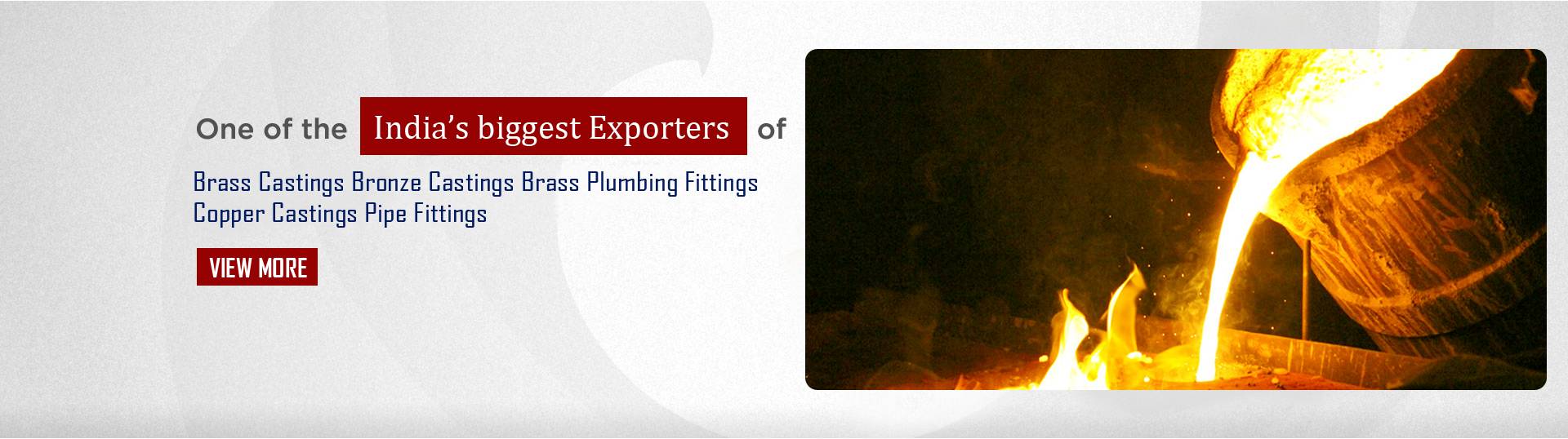
Molten stainless steel is poured into the assembled shell molds using bottom-pour ladles or tilting induction furnaces to minimize turbulence and splashing. Pouring is completed within the prescribed time window to maintain metal temperature above the liquidus. Controlled solidification time is observed before shakeout to ensure adequate casting integrity. High-temperature resistance of the shell mold binder allows complete filling of thin sections before premature mold degradation.
Step 6: Shakeout, Cleaning, and Fettling
After solidification, shell molds are broken away mechanically (vibrating shakeout tables), and castings are separated from gating systems by plasma cutting or disc grinding. Castings are shot-blasted (steel grit, G25 or S110 shot) to remove adhered sand and scale, followed by visual inspection. Ingate areas are dressed by hand grinding and belt sanding to blend smoothly with the casting surface. Minor surface repairs are carried out by TIG welding (using approved weld procedures).
Step 7: Heat Treatment
Stainless steel castings are heat-treated in accordance with grade requirements: solution annealing for austenitic grades (1,010–1,120 °C, water quench) to dissolve precipitates and restore corrosion resistance; tempering for martensitic grades (150–700 °C) to achieve required hardness; and duplex treatment (1,020–1,100 °C, rapid cool) for duplex grades to achieve the correct austenite/ferrite phase balance. Heat treatment furnaces are equipped with calibrated thermocouples and data loggers providing auditable temperature records for quality documentation.
Step 8: Inspection and Dispatch
All finished castings undergo 100% dimensional inspection using CMM (coordinate measuring machine) or manual gauging against approved drawings. Mechanical testing (tensile, hardness, impact per ASTM A370 or EN ISO 6892) is performed on test bars cast from the same heat. NDT (RT, UT, LPT, MT) is carried out per project specification. Castings are passivated, packed in VCI-treated wrapping, and shipped in wooden crates for export. Material test reports (MTR) conforming to EN 10204 3.1 or 3.2 are supplied with each shipment.
Quality Standards and Certifications
| Standard / Certification | Scope |
|---|---|
| ISO 9001:2015 | Quality Management System – foundry and machining operations |
| ASTM A351 / A352 | Austenitic and duplex stainless steel castings for pressure-retaining parts |
| ASTM A743 / A744 | Corrosion-resistant iron-chromium, iron-chromium-nickel, and alloy castings |
| ASTM A217 | Martensitic stainless steel castings for pressure-containing parts |
| ASTM A890 | Duplex stainless steel castings |
| ASTM A747 | Precipitation-hardening stainless steel castings |
| EN 10283 | European standard for corrosion-resistant steel castings |
| DIN 17445 | German standard for corrosion-resistant steel castings |
| BS 3146 | British standard for investment and shell mold castings |
| ISO 8062-3 | Dimensional tolerances for castings (CT grades) |
| ASME B16.34 | Valves – flanged, threaded, and weld-end |
| ASTM E94 / E428 | Radiographic and ultrasonic testing of castings |
| ASTM E165 | Liquid penetrant examination of castings |
| ASTM A967 | Passivation of stainless steel parts |
| EN 10204 (3.1 / 3.2) | Material test reports with third-party inspection |
| IS 6603 | Indian standard for stainless steel castings |
Why Choose Conex Casting India
Decades of Foundry Expertise
Conex Casting India has over 30 years of experience in non-ferrous and ferrous precision casting, with dedicated stainless steel shell molding lines established to serve global industrial markets. Our metallurgical team includes qualified casting engineers, materials engineers, and quality inspectors with deep domain knowledge of stainless steel alloy behavior during melting, solidification, and post-cast processing.
Vertically Integrated Manufacturing
From pattern making and tooling through melting, shell mold production, heat treatment, CNC machining, NDT, passivation, and export packing — all operations are performed under one roof at our foundry facility in India. This vertical integration ensures complete process control, shorter lead times, and lower total cost compared to multi-vendor supply chains.
Competitive Export Pricing
India’s competitive advantage in skilled labor, raw material costs, and manufacturing infrastructure enables Conex Casting India to supply stainless steel shell mold castings at globally competitive prices. Indicative price for SS 316 castings: US$ 11.50 per kilogram FOB India. Volume discounts apply for orders above 500 kg per shipment. Contact us for a detailed quotation based on your drawings and specifications.
Global Export Track Record
We export stainless steel castings to over 40 countries including the USA, UK, Germany, Australia, UAE, Saudi Arabia, Singapore, South Africa, and Brazil. Our documentation team provides Certificates of Origin, commercial invoices, packing lists, and all export compliance documents required for import into target markets, including CE marking support for European projects and ASME documentation for North American projects.
Technical Sales Support
Our engineering team provides free design-for-manufacturability (DFM) review of customer drawings, alloy selection guidance, and tooling cost estimates before purchase order commitment. We support customers with reverse engineering from samples, prototype development, and production ramp-up for OEM program launches. Technical data sheets, material safety data sheets (MSDS), and application engineering support are available on request.
Fast Quotation and Responsive Service
We provide detailed technical quotations within 24 hours for standard inquiries and within 48 hours for complex assemblies requiring engineering review. Our customer service team operates across IST/GMT time zones to support real-time communication with customers in Europe, the Americas, and the Asia-Pacific region. Sample parts are available for functional testing and approval before production commitment.
Frequently Asked Questions (FAQ)
Q1. What is the difference between shell molding and resin sand casting for stainless steel?
Shell molding (also called the Croning process) uses a thin rigid shell of phenolic resin-bonded sand formed directly on a heated metal pattern. Resin sand casting (or no-bake/air-set sand casting) uses a larger, thicker sand mold cured with a chemical binder at room temperature. Shell molding produces better surface finish (Ra 3.2–6.3 µm vs. Ra 6.3–12.5 µm), tighter tolerances (CT5–CT7 vs. CT7–CT9), and is better suited for high-volume production. Resin sand casting offers larger part size capability and lower tooling cost for low-volume or complex geometries. Conex Casting India offers both processes.
Q2. What is the minimum order quantity for stainless steel shell mold castings?
Our minimum order quantity (MOQ) is 5 pieces for prototype or development orders and 50 pieces for production orders. For OEM programs with annual volumes above 1,000 kg, we offer dedicated tooling and reserved capacity scheduling. We also accept mixed alloy orders against blanket purchase orders.
Q3. What is the current price for stainless steel 316 shell mold castings?
The indicative price for SS 316 stainless steel shell mold castings is US$ 11.50 per kilogram FOB India. Final pricing depends on part weight, geometric complexity, order quantity, heat treatment requirements, and required testing/certification level. Contact us with your drawings for a detailed quotation within 24 hours.
Q4. Which international standards do your stainless steel castings conform to?
We manufacture stainless steel shell mold castings to ASTM A351, A743, A744, A217, A890, and A747; EN 10283; DIN 17445; BS 3146; JIS G5121; IS 6603; and other standards as specified by the customer. Material test reports (MTR) are supplied per EN 10204 3.1 (certified by our quality department) or 3.2 (certified by an independent third-party inspection body such as TÜV, SGS, Bureau Veritas, or Lloyds).
Q5. Can you supply machined and pressure-tested stainless steel castings?
Yes. In addition to as-cast and heat-treated supply, we offer CNC machining of critical surfaces, bore features, and threaded connections. Pressure testing (hydrostatic, pneumatic) up to 40 bar is available. Completed assemblies with machined, tested, and painted/passivated components are supplied for OEM customers requiring ready-to-install parts.
Q6. What are the typical lead times for stainless steel shell mold castings from India?
For new tooling (first article), typical lead time is 4–6 weeks from drawing approval to first sample shipment. For repeat production orders, lead time is 2–3 weeks from purchase order to despatch. Air freight expedite options are available for urgent requirements. We recommend customer-owned tooling for OEM programs to eliminate tooling delays on repeat orders.
Q7. Do you supply castings for electrical and power sector applications?
Yes. We have an established track record supplying stainless steel castings for electrical OEMs, switchgear manufacturers, transformer manufacturers, EPC contractors, and power utilities. Typical products include bus-bar clamps, terminal housings, earthing connectors, cable gland plates, bracket assemblies, and substation hardware in SS 304 and 316 grades. We can supply to project-specific inspection requirements including third-party inspection by approved agencies.
Q8. How do I get a quote for stainless steel shell mold castings?
Submit your inquiry through our website contact form or email with: (1) 2D/3D drawings in PDF, DXF, STEP, or IGES format; (2) required material grade and international standard; (3) quantity required (prototype and/or annual volume); (4) required testing and certification level; (5) target delivery date. We respond with a full technical and commercial quotation within 24 hours.
Q9. Can you cast duplex and super-duplex stainless steel in shell molds?
Yes. We have capability to cast duplex grade 2205 (EN 1.4462) and super-duplex grade 2507 (EN 1.4410) in shell molds for demanding applications in offshore, chemical, and desalination industries. Duplex castings require careful control of heat treatment (solution annealing at 1,040–1,100 °C followed by rapid cooling) to achieve the correct austenite/ferrite phase ratio (45–55% each) and specified Charpy impact toughness. Phase balance verification by ferrite measurement (per ASTM E562) is included in our quality documentation.
Q10. What surface treatments are available for stainless steel shell mold castings?
Available surface treatments include: shot blasting (standard, at no additional charge); passivation per ASTM A967 (removes free iron and enhances passive layer); electropolishing (Ra ≤ 0.8 µm for hygienic/food-grade applications); pickling (acid descaling for heavy scale or heat tint removal after welding); coating (epoxy, polyurethane, or zinc-rich primer for non-standard corrosive environments); and rubber lining or PTFE coating for specific chemical media. Treatment options are quoted separately based on specification.
Equivalent Terms in Other Languages
| Language | Term 1 | Term 2 | Term 3 | Term 4 |
|---|---|---|---|---|
| Spanish | Fundición de acero inoxidable en molde de cáscara | Colada en arena de resina acero inoxidable | Moldeo en cáscara acero inoxidable | Piezas fundidas acero inoxidable molde cáscara |
| Russian | Литьё нержавеющей стали в оболочковые формы | Оболочковое литьё из нержавеющей стали | Литьё нержавейки в смоляной песок | Точное литьё нержавеющей стали |
| French | Fonderie acier inoxydable moulage en coquille | Coulée acier inox sable résine | Moulage en carapace acier inoxydable | Pièces moulées acier inox coquille |
| Portuguese | Fundição de aço inoxidável em casca de areia resina | Moldagem em casca aço inoxidável | Peças fundidas aço inox molde casca | Fundição precisão aço inoxidável |
| Italian | Fusione acciaio inossidabile in guscio di resina | Colata in sabbia di resina acciaio inox | Fusione a guscio acciaio inossidabile | Pezzi fusi acciaio inox conchiglia |
Related Parts and Linked Products
Customers sourcing stainless steel shell mold castings from Conex Casting India frequently also require the following related products and components:
- Brass Shell Moulding Parts – Brass alloy resin sand shell castings for plumbing, marine, and industrial applications
- Bronze Shell Molding Parts – Bronze (tin bronze, aluminum bronze, silicon bronze) shell mold castings
- Shell Casting Shell Molding – Category Overview – Full range of shell mold castings in all alloys
- Stainless Steel Sand Casting – Conventional sand cast stainless steel components
- Stainless Steel Investment Casting – Lost-wax precision castings for complex geometries
- Stainless Steel Gravity Die Casting – Permanent mold SS castings for medium volumes
- CNC Machined Stainless Steel Castings – Post-cast precision machined SS components
- Stainless Steel Pipe Fittings (cast) – Elbows, tees, flanges, couplings in SS 304/316
- Stainless Steel Valve Bodies – Shell mold cast gate, globe, ball, and check valves
- Stainless Steel Pump Casings – Shell mold cast centrifugal and submersible pump bodies
- Bus-Bar Clamps and Connectors – SS 304/316 cast electrical connector hardware
- Stainless Steel Earthing & Grounding Hardware – Cast SS earth clamps, connectors for power utilities
Get a Quote – Stainless Steel Resin Sand & Shell Mold Castings
Conex Casting India invites inquiries from electrical OEMs, EPC contractors, power utilities, and industrial distributors worldwide. Submit your drawings and specifications for a free technical review and competitive quotation within 24 hours.
Current Pricing: SS 316 Shell Mold Castings – US$ 11.50 per kilogram FOB India
We supply to: USA, UK, Germany, France, Netherlands, Australia, UAE, Saudi Arabia, South Africa, Singapore, Malaysia, Brazil, and 40+ countries worldwide.
Conex Casting India | Precision Stainless Steel Shell Mold Castings | ISO 9001:2015 Certified | 30+ Years Export Experience